Where Is My Stopcock? A Simple Guide for Homeowners in Thurrock
Knowing where your stopcock is can save you a lot of stress during a plumbing emergency.
If a pipe bursts, a tap starts leaking badly, or water begins coming through the ceiling, the first thing you need to do is stop the water supply. That usually means turning off your main stopcock.
Many homeowners only look for their stopcock when something has already gone wrong. The problem is, by then every minute counts.
In this guide, AquaGuard Ltd explains where your stopcock is usually located, how to check if it works, and when it may be time to call a local plumber.
What is a stopcock?
A stopcock, sometimes called a stop tap, is the valve that controls the incoming mains water supply to your property.
When it is turned off, it should stop or greatly reduce the flow of cold mains water into your home. This can help prevent further damage during a leak or burst pipe.
Most homes have an internal stopcock and may also have an external stopcock outside the property.
Where is my stopcock likely to be?
In most homes, the internal stopcock is usually found near where the mains water pipe enters the property.
Common places include:
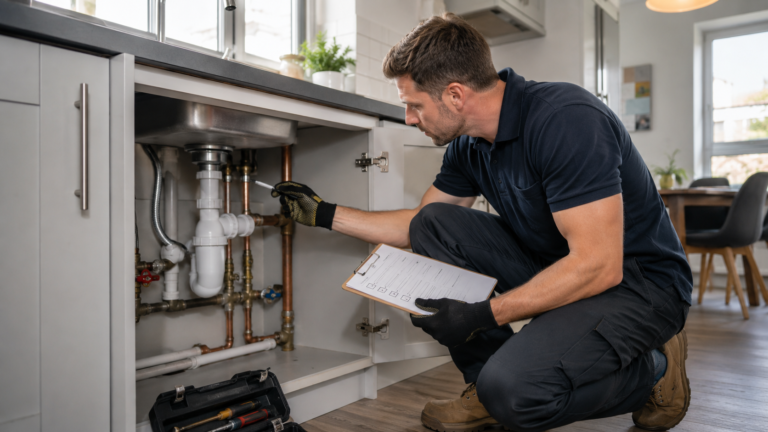
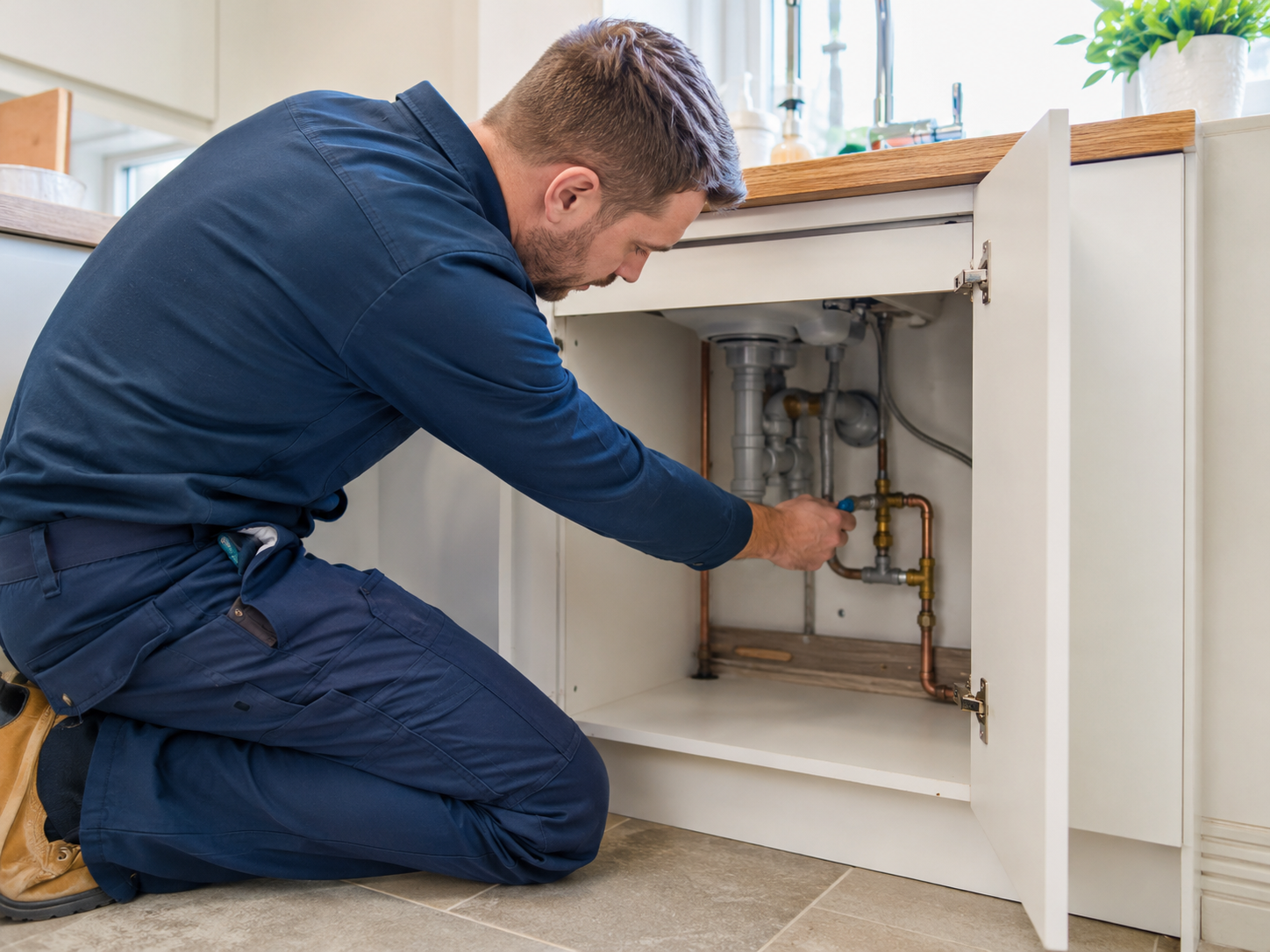
- Under the kitchen sink
- Inside a kitchen cupboard
- Near the front door
- In a downstairs toilet
- Under the stairs
- In a utility room
- In a garage
- Near the water meter
In flats, the stopcock may be inside a service cupboard, hallway cupboard, bathroom boxing, or shared riser cupboard.
If you live in Thurrock, Grays, Chafford Hundred, South Ockendon or surrounding areas and you are not sure where your stopcock is, it is worth finding it before you have an emergency.
How do I turn off a stopcock?
Most internal stopcocks turn clockwise to close.
A simple way to remember it is:
Righty tighty, lefty loosey.
Turn the handle clockwise until it stops. Do not force it too hard. If it is stiff, seized or feels like it may snap, stop and get professional help.
Once closed, turn on a cold tap downstairs. The water should slow down and eventually stop. This confirms the stopcock is working.
To turn the water back on, turn the stopcock anti-clockwise. It is often best not to leave it fully open to the absolute end. Open it fully, then turn it back slightly. This can help prevent it from jamming in the fully open position.
Why you should test your stopcock
A stopcock can become stiff or seized if it has not been used for years.
That can become a serious problem during an emergency. If you cannot shut the water off quickly, a small leak can turn into expensive water damage.
It is a good idea to test your stopcock from time to time. You do not need to force it. Just check that it moves freely and that it actually shuts the water off.
You should check it especially if:
- You have just moved into a new home
- You are planning plumbing work
- You are going away for a long period
- You have noticed signs of a leak
- You are a landlord preparing a property for new tenants
What if my stopcock is stuck?
If your stopcock is stuck, do not force it.
Old stopcocks can become stiff due to age, limescale, corrosion or lack of use. Forcing the valve can damage the pipework or cause the stopcock to leak.
A plumber may be able to free it safely, repair it, or replace it with a new isolation valve or stopcock depending on the condition of the pipework.
If your stopcock is very old, damaged or hard to reach, replacing it can make future maintenance and emergency shut-offs much easier.
What if I cannot find my stopcock?
If you cannot find your internal stopcock, check the likely areas first: under the kitchen sink, near the front of the house, downstairs toilet, utility room and garage.
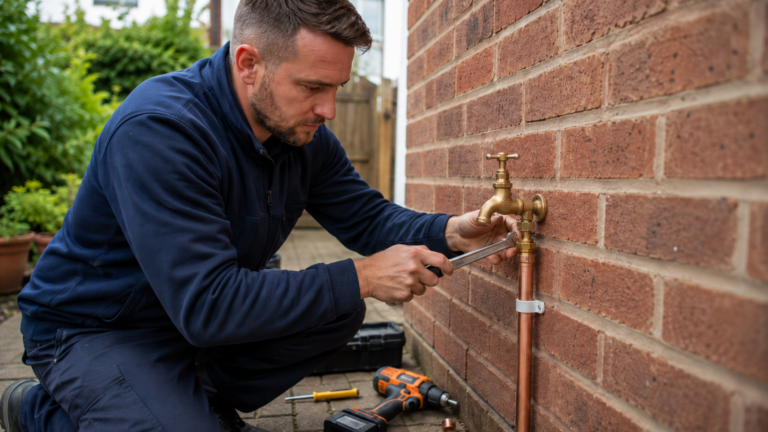
If you still cannot find it, there may be an external stopcock outside the property, often under a small cover near the boundary, pavement or driveway. However, external stopcocks can sometimes be shared, stuck, buried, damaged or difficult to access.
If you are unsure, it is better to ask a plumber to help locate it rather than waiting until you have a leak.
Stopcock checks for landlords and HMOs
For landlords, HMOs and rental properties, the stopcock should be easy to locate and operate.
Tenants should know what to do in an emergency, especially if there is a leak or flooding risk.
A simple plumbing check between tenancies can include:
- Locating the internal stopcock
- Checking that it turns properly
- Making sure it shuts off the water
- Checking visible pipework for leaks
- Checking isolation valves under sinks, toilets and appliances
- Making sure tenants know where the emergency shut-off is
These small checks can help reduce panic, water damage and emergency call-out costs.
When should you call a plumber?
You should call a plumber if:
- You cannot find your stopcock
- The stopcock is seized or very stiff
- The stopcock leaks when touched
- It does not fully shut the water off
- You have old or damaged pipework
- You want isolation valves fitted
- You have a leak and need urgent help
A working stopcock is one of the most important parts of your home’s plumbing system. It is simple, but it can save you from serious water damage.
Local stopcock and plumbing help in Thurrock
AquaGuard Ltd provides local plumbing services across Thurrock, Grays, Chafford Hundred, South Ockendon and surrounding areas.
We can help with stopcock issues, leak repairs, pipework, taps, toilets, isolation valves and general plumbing maintenance.
If you are not sure where your stopcock is, or you have found it but it will not turn, it is best to get it checked before an emergency happens.
Need help with your stopcock or a plumbing issue?
Contact AquaGuard Ltd today for reliable local plumbing support.
FAQ
Where is the stopcock in most houses?
In many homes, the stopcock is under the kitchen sink or inside a nearby cupboard. It may also be near the front door, under the stairs, in a utility room, garage or downstairs toilet.
Which way do I turn a stopcock to turn the water off?
Most stopcocks turn clockwise to shut off the water supply. Turn it gently and avoid forcing it if it feels stuck.
What should I do if my stopcock is stuck?
Do not force it. A stuck stopcock can break or start leaking. A plumber can inspect it and advise whether it can be freed, repaired or replaced.
Should every home have a working stopcock?
Yes. A working stopcock is important because it allows you to shut off the mains water supply during a leak, burst pipe or plumbing emergency.
Can AquaGuard Ltd help find or replace my stopcock?
Yes. AquaGuard Ltd can help locate, test, repair or replace stopcocks and isolation valves across Thurrock and nearby areas.