HMO Plumbing Checklist (UK): Leaks, Stopcock, Drains & Isolation Valves.
Running an HMO means small plumbing issues can turn into big problems fast — especially with multiple tenants using bathrooms and kitchens every day. The good news is that most emergency call-outs can be reduced with a simple routine: regular checks for leaks, a working stopcock, clear drains, and accessible isolation valves.
This checklist is designed for UK HMOs and works whether you manage the property yourself or use an agent.
Note: This is practical guidance, not legal advice. If you’re unsure about compliance requirements, check your local council HMO standards.
Quick routine (how often to do checks)
- Weekly (5 minutes): visible leaks + drain smells + tenant-reported issues
- Monthly (15–30 minutes): stopcock test + isolation valves + basic water pressure checks
- Every 6 months: deeper drain checks + sealant inspection + under-sink trap clean if needed
- Annually: review the whole plumbing layout + label valves + refresh tenant “what not to flush” rules
1) Leak checks (the most important)
What to check
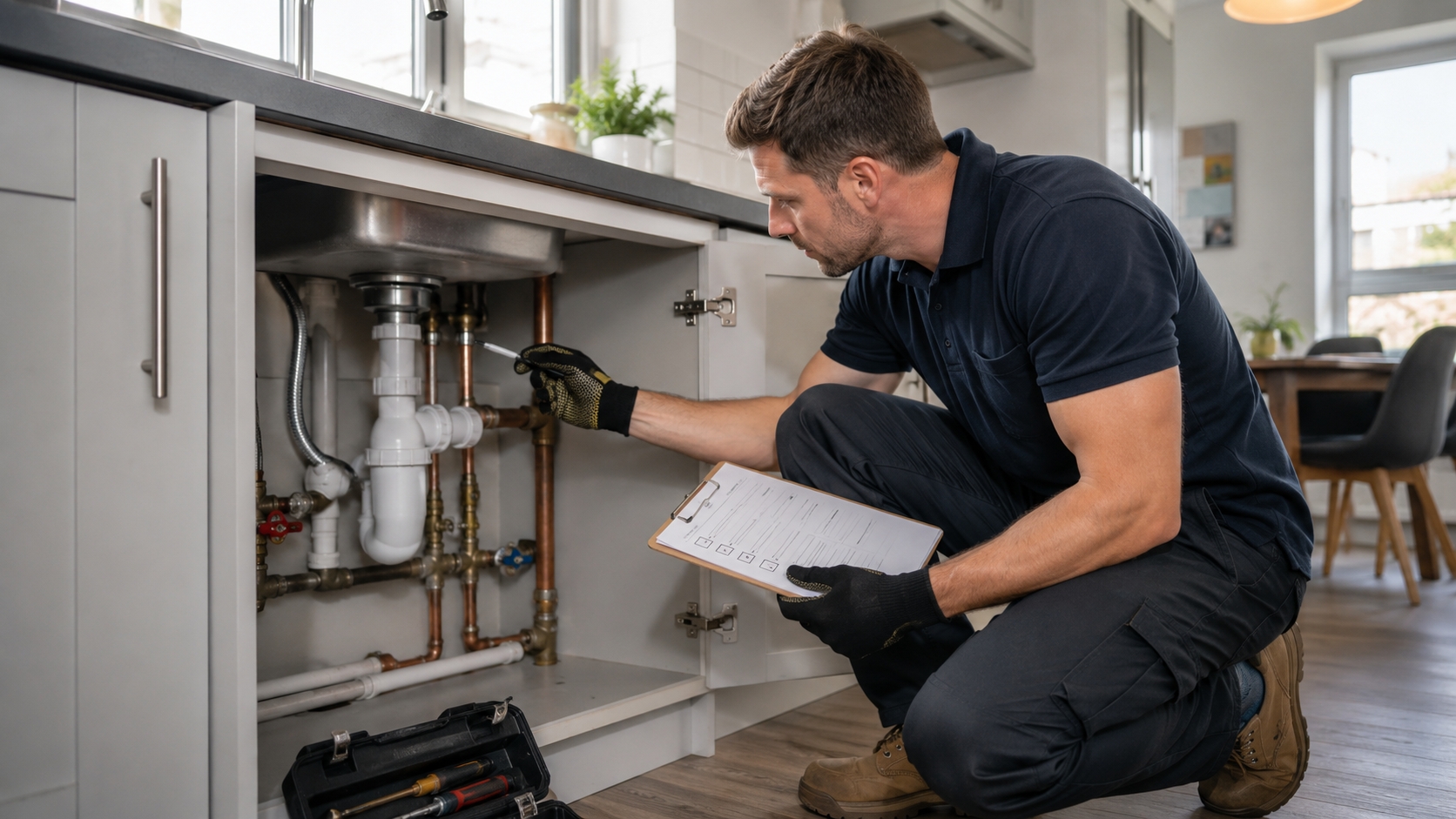
- Under every sink: kitchen + all bathrooms
- Behind toilets: around isolation valves and flexi hoses
- Around washing machine / dishwasher connections
- Radiator valves and visible pipework (if applicable)
- Ceilings under bathrooms: staining, bubbling paint, damp smell
- Meter/stop tap area: damp patch, mould, dripping
Red flags
- Musty smell, new mould spots, or “random” damp patches
- Water marks under a bath/shower tray
- Constantly filling toilet (wasting water and increasing bills)
Quick action
- If you find a small drip: don’t ignore it. In HMOs it often becomes a bigger leak due to usage.
2) Stopcock (main shut-off) — confirm it works
In an emergency (burst pipe), the stopcock is the difference between a small mess and major damage.
Checklist
- Can you find it quickly? (Typical: under kitchen sink, hallway cupboard, or near front door.)
- Is it accessible (not buried behind tenant items)?
- Does it turn without forcing?
- Does it actually shut water off?
Simple test (monthly)
- Tell tenants you’re doing a 2–3 minute check (if needed).
- Turn stopcock clockwise slowly until closed (don’t force).
- Open the kitchen cold tap — flow should stop after a few seconds.
- Reopen the stopcock fully.
If it’s seized or leaking when you turn it: get it repaired/replaced before you need it urgently.
3) Isolation valves — make sure they exist and work
Isolation valves let you shut off one fixture without turning off water to the whole HMO.
Where they should be (common)
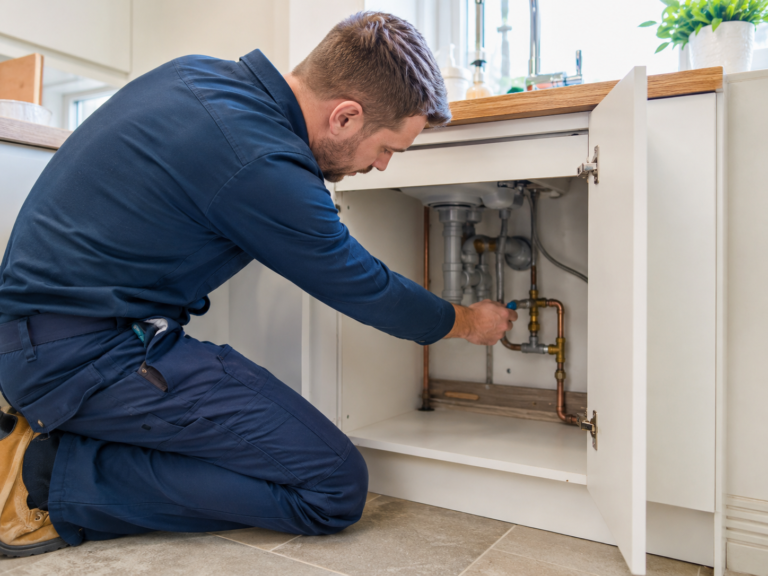
- Under sinks (hot + cold)
- Toilet supply
- Washing machine / dishwasher supply
- Sometimes shower/bath supplies (behind access panel)
Checklist (every 6 months)
- Are valves present on hot/cold feeds?
- Can you turn them smoothly?
- Are they labelled (or at least easy to identify)?
- Any signs of corrosion, weeping, green staining?
Pro tip: Label valves with small tags (Kitchen cold, Ensuite hot, WC supply). In an emergency, this saves time.
4) Drains & blockages (kitchen and bathroom hotspots)
HMOs get more blockages because of higher usage and “unknown” tenant habits.
Kitchen drains
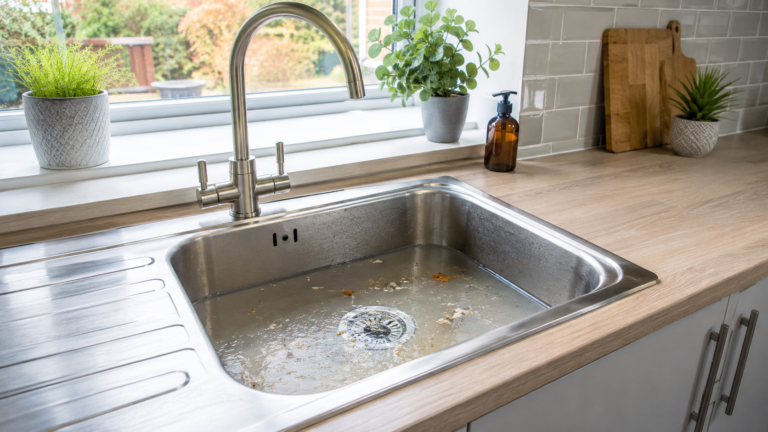
- Check sink drains freely (no slow draining).
- Smell check (odour can indicate buildup).
- Look for grease usage patterns (cooking oil is a big cause).
Prevention: provide a simple “No fats/oils down sink” notice in the kitchen.
Bathroom drains
- Shower drains: hair buildup is common.
- Bath drains: slow draining = likely blockage starting.
- Basin drains: soap scum + hair.
Quick DIY-safe maintenance: use a hair catcher in showers and encourage tenants to use it.
Red flags
- Gurgling noises
- Water backing up in another fixture
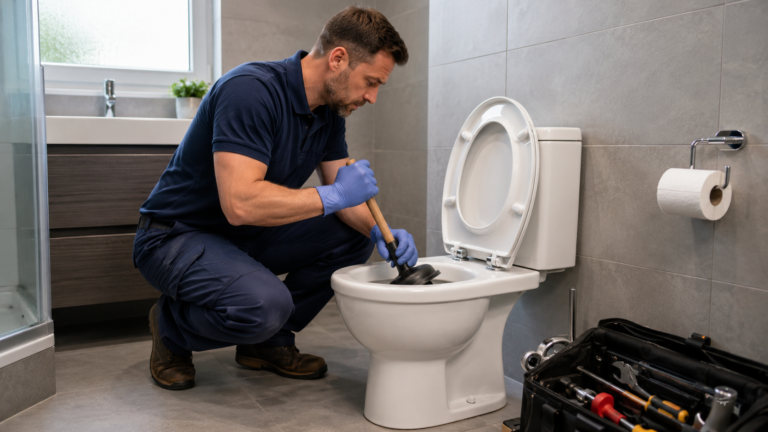
- Repeated “temporary” unblocks — often means the blockage is deeper
5) Toilets: running, weak flush, leaks
Toilets are high-use items in HMOs and small faults waste a lot of water.
Monthly checks
- Is any toilet constantly running?
- Is flush weak or inconsistent?
- Any rocking toilet base or water around pan?
- Is overflow pipe dripping outside?
If you hear refilling when no one used the toilet: the fill valve or flapper may be leaking internally.
6) Water pressure and temperature consistency
Quick checks
- Compare cold flow at kitchen tap vs bathroom tap.
- Check showers for sudden changes (could indicate restrictions or valve issues).
- If pressure drops at peak times: note it (could be supply or internal bottleneck).
Tenant comfort tip: record the complaint pattern (which room, hot or cold, what time). It speeds up diagnosis.
7) Easy “damage prevention” extras (worth doing once)
- Fit drip trays under vulnerable appliances (where appropriate).
- Ensure there’s access to stopcock and key valves (tenant storage can block).
- Keep a basic “emergency sheet” in the property:
- stopcock location
- your contact number
- what to do if water is leaking
Simple HMO plumbing checklist (you can copy/paste).
Use this as a quick monthly tick-list:
Leaks
- Under-sink checks (all rooms)
- Toilet supply and flexi hoses checked
- Appliance hoses checked
- Ceilings below bathrooms inspected
Stopcock
- Accessible and turns smoothly
- Shuts water off (tested)
- No leaks when operated
Isolation valves
- Present on key fixtures
- Operable and not seized
- Labelled / easy to identify
Drains
- Kitchen sink drains quickly, no smells
- Shower/bath drains clear
- No gurgling/backups
Toilets
- No constant running/refilling
- Flush strong and consistent
- No water around base
When to call a plumber
Call for help if you notice:
- recurring blockages
- damp patches or mould growth
- stopcock/valves seized or leaking
- water backing up into other fixtures
- persistent low pressure in one area
In HMOs, early fixes are usually cheaper than emergency call-outs and water damage repairs.
Need an HMO plumber in Thurrock/Essex?
We can help with preventative checks, leak repairs, valve replacements and blocked drains.