Blocked Toilet in Thurrock, Grays & Chafford Hundred, Essex
Blocked Toilet in Thurrock, Grays & Chafford Hundred? What to Do Before It Overflows
A blocked toilet is one of those plumbing problems that quickly turns from annoying to stressful. One flush can make the water rise, overflow onto the floor, or leave the bathroom unusable until the blockage is cleared.
If you are dealing with a blocked toilet in Thurrock, Grays, Chafford Hundred or nearby Essex areas, there are a few steps you can take straight away to reduce the risk of flooding and damage.
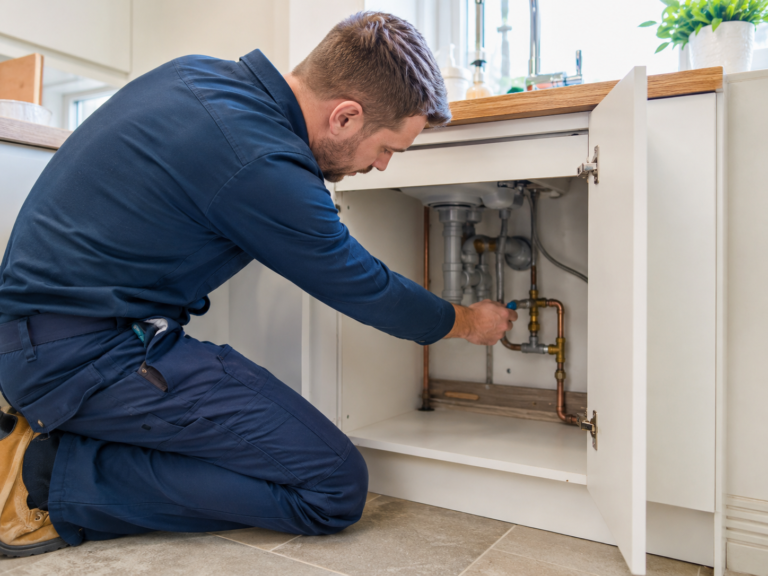
At AquaGuard Ltd, we help local homeowners, tenants and landlords with everyday plumbing problems including blocked toilets, leaking toilets, pipework issues, isolation valves, taps, leaks and general plumbing repairs.
This guide explains what to do first, what not to do, and when it is time to call a local plumber.
First step: stop flushing
If the toilet is blocked, do not keep flushing it.
Many people flush again hoping the blockage will clear itself, but this can make the water level rise and overflow. If the pan is already filling up, another flush could push dirty water onto the bathroom floor.
Instead, wait and watch the water level. If it slowly drops, there may still be a partial blockage. If it stays high or keeps rising, treat it as an urgent plumbing issue.
Turn off the toilet water supply if you can
Most toilets have an isolation valve on the pipe feeding the cistern. This is often a small valve located near the toilet, usually on the pipe coming from the wall or floor.
If you can access it safely, turn the valve so the slot is across the pipe. This should stop the cistern from refilling.
If there is no isolation valve, or if it is stiff, leaking or inaccessible, do not force it. You may need to turn off the water at the main stopcock or call a plumber.
A working isolation valve is very useful because it allows one toilet or appliance to be isolated without turning off the water to the whole property.
Is it a toilet blockage or a drain problem?
A blocked toilet can be caused by a local blockage inside the pan or pipework, but sometimes the issue is further down the drainage system.
Signs it may be more than a simple toilet blockage include:
- More than one toilet is affected
- The bath or shower is draining slowly
- Water is coming up through the shower tray or bath waste
- There is a bad smell from drains
- Outside gullies or manholes are full
- The toilet bubbles when other fixtures are used
- The blockage keeps coming back after clearing
If several fixtures are affected, the problem may be in the soil pipe, underground drain or shared drainage system. In that situation, basic DIY methods are unlikely to fix the real cause.
Common causes of blocked toilets
Most toilet blockages are caused by items being flushed that should not go down the toilet.
Common causes include:
- Wet wipes
- Baby wipes
- Cleaning wipes
- Sanitary products
- Cotton pads
- Cotton buds
- Nappies
- Paper towels
- Too much toilet paper
- Toilet freshener cages
- Children’s toys
- Build-up inside older pipework
Even wipes labelled as “flushable” can still cause problems in real pipework. Toilet paper is designed to break down quickly. Wipes and sanitary products do not break down in the same way, so they can catch inside bends, joints and older pipes.
The safest rule is simple: only flush pee, poo and toilet paper.
What you can try before calling a plumber
If the toilet is not overflowing and you feel safe doing so, you can try a few basic steps.
1. Wait a few minutes
Sometimes the water level slowly drops if the blockage is soft or partial. Do not keep flushing while you wait.
2. Use a toilet plunger
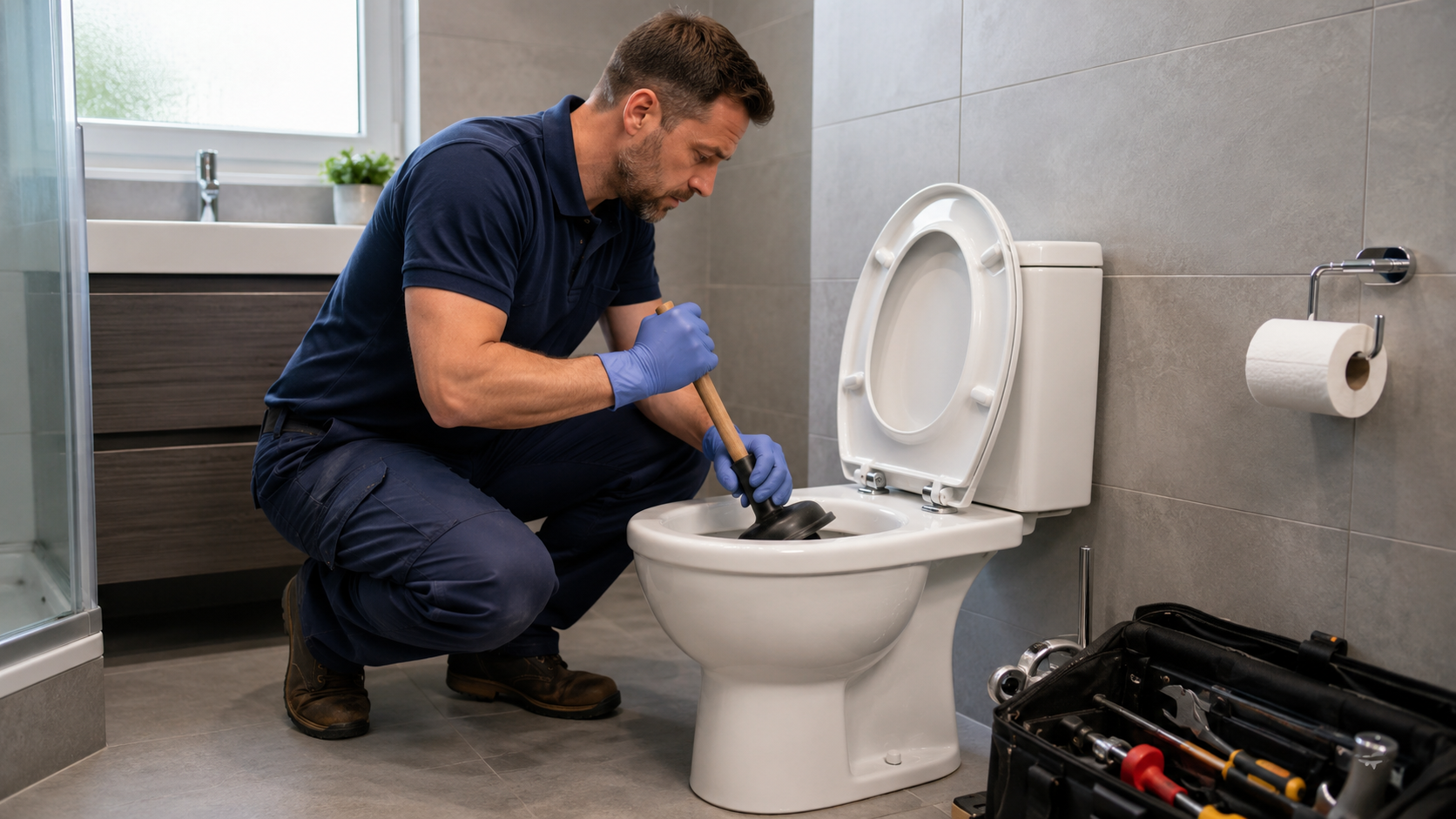
A proper toilet plunger can sometimes clear a soft blockage. Make sure there is enough water in the pan to cover the rubber part of the plunger, then use steady pressure rather than aggressive force.
Avoid using too much force, especially on older toilets or weak connections, as you do not want to disturb the pan connector or cause a leak behind the toilet.
3. Try warm water, not boiling water
Warm water may help soften a minor blockage. Do not pour boiling water into the toilet because sudden heat can damage ceramic, seals or pipework.
4. Do not use harsh chemicals
Strong drain chemicals can be dangerous, especially if the toilet does not clear and the chemical remains in the pan. They can also damage seals, pipework and make the job more hazardous if a plumber has to work on it afterwards.
If the blockage does not clear with simple safe methods, it is better to stop and get help.
When a blocked toilet becomes an emergency
A blocked toilet should be treated as urgent if:
- The toilet is overflowing
- Dirty water is coming onto the floor
- It is the only toilet in the property
- Several toilets or drains are blocked
- You can smell sewage
- The blockage keeps returning
- Water is coming up through the bath or shower
- The property is rented or an HMO
- Vulnerable people live in the property
- You cannot isolate the water supply
For landlords and HMO properties, a blocked toilet can quickly become a tenant complaint, hygiene issue and property damage risk. It is better to act early rather than wait until the problem becomes worse.
What not to put down the toilet
To reduce the chance of future blockages, avoid flushing:
- Wet wipes
- Baby wipes
- Cleaning wipes
- Sanitary pads
- Tampons
- Cotton buds
- Cotton wool
- Nappies
- Dental floss
- Kitchen roll
- Paper towels
- Food waste
- Grease or oil
- Medication
- Cat litter
The toilet is not a bin. If it is not toilet paper or human waste, it should usually go in the bin.
Blocked toilet in a flat or HMO
Blocked toilets in flats, HMOs and rented properties can be more complicated because pipework may be shared, boxed in, poorly accessible or connected to a communal stack.
In these properties, it is worth checking:
- Which toilet is affected
- Whether other tenants have the same issue
- Whether the bath, shower or sink is draining normally
- Whether there are signs of leaks below
- Whether the toilet has a working isolation valve
- Whether the main stopcock is accessible
- Whether the problem has happened before
Landlords should also make sure tenants know what should and should not be flushed. A simple notice in bathrooms can prevent repeat blockages.
Why blocked toilets keep coming back
If your toilet blocks once, it may be bad luck. If it keeps blocking, there is usually an underlying reason.
Possible causes include:
- Poor pipe fall
- Incorrectly fitted pan connector
- Old or rough internal pipework
- Partial blockage further down the line
- Scale build-up
- Repeated flushing of wipes or sanitary products
- Drainage issue outside the property
- Weak toilet flush
- Poorly installed bathroom pipework
A repeated blockage should be checked properly, not just cleared temporarily. Otherwise, the same problem can return again and again.
Can a plumber clear every blocked toilet?
Many simple toilet blockages can be cleared by a plumber using the right tools. However, if the blockage is deep in the drainage system, outside the property, or affecting a shared drain, specialist drainage equipment may be required.
A good plumber will assess the symptoms first and advise whether it is a plumbing issue, a drainage issue, or something that needs further investigation.
Local help for blocked toilets in Thurrock, Grays & Chafford Hundred
AquaGuard Ltd provides local plumbing help across Thurrock, Grays, Chafford Hundred and surrounding Essex areas.
We can help with:
- Blocked toilets
- Leaking toilets
- Toilet flush repairs
- Toilet inlet valve problems
- Isolation valve installation
- Small pipework repairs
- Bathroom plumbing checks
- Landlord and HMO plumbing checks
- General plumbing maintenance
We focus on practical, honest plumbing work for local homes, landlords and small properties.
Need help with a blocked toilet?
If your toilet is blocked, overflowing, leaking or keeps blocking again, it is better to deal with it before it causes water damage or hygiene problems.
AquaGuard Ltd — Local plumbing done right in Thurrock, Essex.
Contact AquaGuard Ltd today for local plumbing help in Thurrock, Grays, Chafford Hundred, Essex and nearby areas.